All News & Insights
Grain Foods and the People Who Make Them Possible
Flour 101 | 06.15.2026
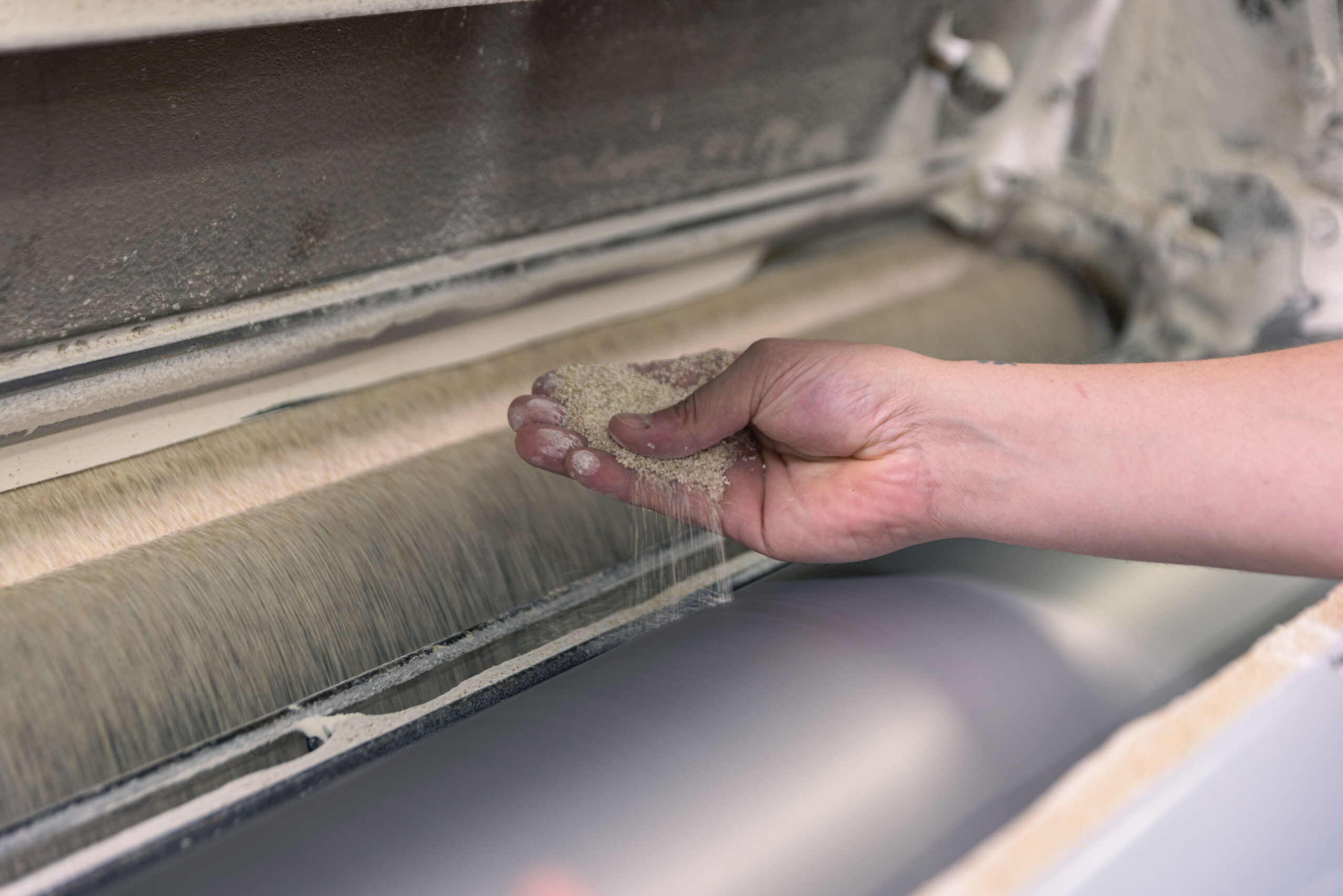
There’s a reason Siemer Milling has been doing this work since 1882. Flour matters. The grains that go into it matter. And the connection between the farmers who grow that wheat, the mills that process it, and the families who eat what it becomes… that chain matters more than most people stop to think about.
A recent fact sheet produced in partnership with the North American Millers’ Association puts some useful context around what milling actually does and why grain foods deserve a better reputation than they sometimes get.¹ It’s worth sharing.
Milling is the Link Between the Farm and the Table
Before wheat, corn, or oats can become food, they have to be milled. That’s not a technicality, it’s the point. Milling unlocks the nutrients stored in the grain so they can be made into the foods people eat every day.² The flour in a bag of all-purpose, the bran in a high-fiber cracker, the enriched flour in a loaf of sandwich bread, all of it starts at a mill. About half of all American-grown wheat never leaves the country; it’s processed right here by mills supplying domestic food production. The other half is exported to countries that depend on U.S. wheat for their own food supply.³
That’s a lot of weight to carry. It’s also exactly the kind of work Siemer has been part of for over 140 years.

Grain Foods Do More Work Than They Get Credit For
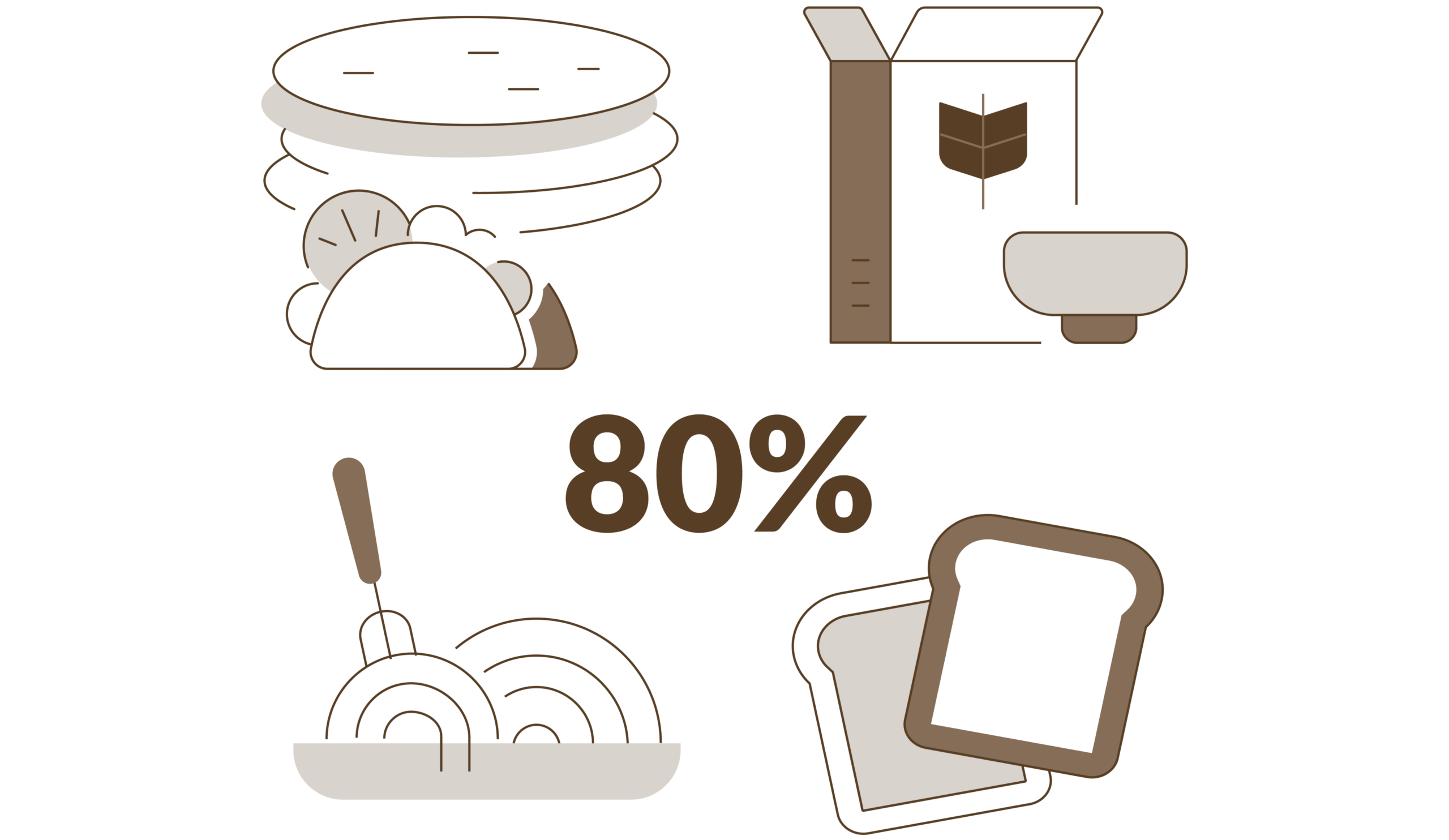
Grain foods account for more than 80% of all grains Americans eat, yet they represent less than 15% of total calories in the average American’s diet.⁴ ⁵ They’re not the problem. In many cases, they’re part of the solution.
Enriched and fortified refined grain foods have become a primary source of dietary fiber in the U.S. diet — a nutrient that Americans are consistently under-consuming.⁵ They deliver iron, folic acid, B vitamins, zinc, and thiamin. For pregnant women and children especially, these aren’t optional nutrients. They’re critical.
Grain foods also help people eat more of what they’re not eating enough of. Sandwiches and tacos are among the most common ways Americans get vegetables and protein into their diets. People who eat pasta eat more vegetables. Cereals increase fruit and milk consumption, particularly for kids.⁶
Refined Grains Aren’t the Villain
There’s been a lot of noise in recent years about “processed” foods, and grain foods have taken some unfair hits in that conversation. Refined grains are often lumped in with things they have nothing in common with. Research shows that refined grains have a legitimate place in a healthy diet and contribute meaningfully to nutrient intake.⁷
The 2025–2030 Dietary Guidelines represent a significant shift, one that reduces recommended whole grain servings and discourages refined and “packaged” grains. Stigmatizing staple foods like bread and tortillas doesn’t just affect consumer choices. It undermines the farmers who grow the wheat, the mills that process it, and the supply chain that puts affordable food on tables across the country every single day.⁸
Federal nutrition guidance should reflect the science, and the science supports a role for both whole and enriched grains in a balanced diet.⁸

What This Means For Siemer
We mill soft red wheat. It goes into cakes, cookies, crackers, pastries — foods that bring people together, that mark celebrations, that have been part of American tables for generations. That’s not something to apologize for. The grain foods supply chain, from the farmers we work with across the soft red wheat belt to the commercial bakers and food manufacturers we supply, is a chain worth being proud of.
Grinding wheat to make it digestible is an ancient human activity, and one that has been critical to our sustenance and endurance.¹ We’re glad to be part of it.

Sources
¹ North American Millers’ Association. What Is Milling? Available at: https://namamillers.org/consumer-resources/what-is-milling/
² Food and Drug Administration. 21 CFR 137.105. Available at: https://www.ecfr.gov/current/title-21/part-137/section-137.105
³ Food and Drug Administration. 21 CFR 137.165. Available at: https://www.ecfr.gov/current/title-21/chapter-I/subchapter-B/part-137/subpart-B/section-137.165
⁴ Papanikolaou Y, et al. Do Refined Grains Have a Place in a Healthy Dietary Pattern? Available at: https://www.sciencedirect.com/science/article/pii/S2475299122120780
⁵ Papanikolaou Y, Fulgoni VL. Grain Foods Are Contributors of Nutrient Density for American Adults and Help Close Nutrient Recommendation Gaps. National Health and Nutrition Examination Survey, 2009–2012. 2017. Available at: https://pubmed.ncbi.nlm.nih.gov/28805734/
⁶ Grain Foods Research Institute. History and Public Health Benefits of Enrichment and Fortification of Refined Grains. 2025. Available at: https://grainfoodsresearch.org/wp-content/uploads/2025/03/Enrichment-and-Fortification-White-Paper.pdf
⁷ Papanikolaou Y. Pasta Consumption is Associated with Lower Fat Intake and Higher Consumption of Foods to Encourage in US Adults. National Health and Nutrition Examination Survey, 2001–2012. Available at: https://www.jandonline.org/article/S2212-2672%2817%2930694-9/abstract
⁸ North American Millers’ Association. Milling, Grain Foods, and Nutrition. April 2026.